Café or bar? The sign out front isn’t enough to tell you which is which. What really sets these two types of establishments apart is the licence they hold, the drinks they serve and the atmosphere that follows. For a group with different tastes, choosing where to go comes down to practical criteria: the drinks menu, noise level, how long you can stay and the prices.
Licences, menus and opening hours: café vs. bar comparison
The difference between a café and a bar has less to do with the name on the sign than with the drinks actually served. An establishment serving only non-alcoholic drinks does not need an alcohol licence. Serving beer or wine requires at least the appropriate licence, and issuing a new Licence IV (which authorises the sale of spirits) is prohibited in France.
If you’re deciding where to head on a Friday night, it’s better to check the menu than rely on the label. Here are the practical differences between the two formats.
| Criteria | Traditional café | Bar |
|---|---|---|
| Alcoholic drinks | Rarely served, or limited to wine and beer (Licence II/III) | Yes, including spirits and cocktails (Licence IV) |
| Hot drinks and soft drinks | At the heart of the offering | Available, but secondary |
| Light meals | Common (pastries, sandwiches, simple dishes) | Varies, often tapas or sharing boards |
| Opening hours | Open from the morning, closing in the early evening | Opens in the late afternoon, closes late |
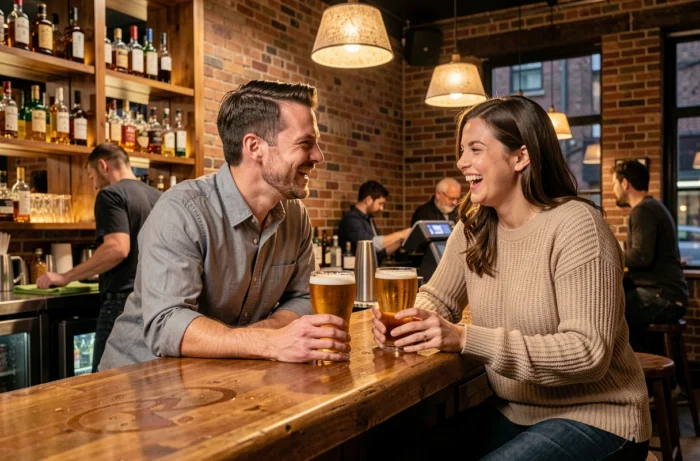
| Noise level | Low to moderate, ideal for conversation | Moderate to high, often with amplified music |
| Length of stay | Long; one drink is enough to stay | Varies depending on how busy it is and the venue’s style |
So, understanding the difference between a bar and a café starts with checking the menu and opening hours, well before judging the atmosphere from the pavement.
Group outings: choosing a place when tastes differ
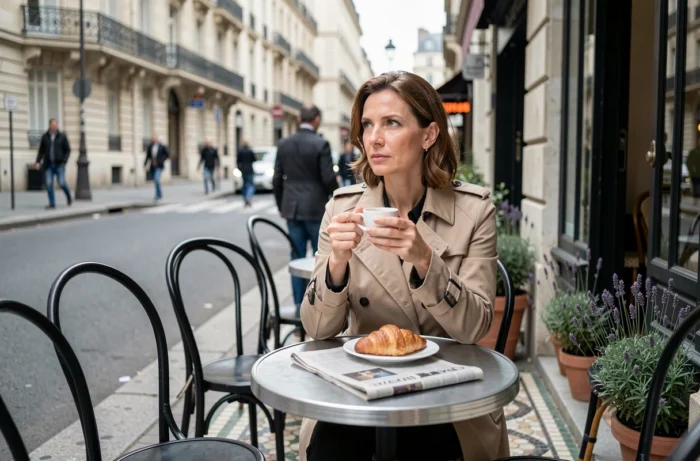
A group of beer drinkers, tea lovers and people who want to spend two hours chatting won’t be looking for the same place as a couple popping in for a quick cocktail. Non-alcoholic options are also becoming more common in bars, making the traditional association between bars and alcohol less clear-cut.
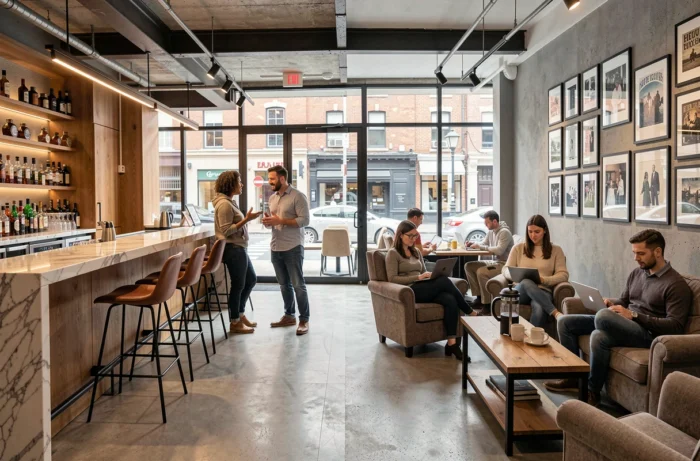
Coffee shops, a variation on the traditional café, combine speciality coffee, pastries and a setting where you can linger. The French market is driven by young, urban customers. For an outing focused on conversation rather than aperitifs, this format often fits the bill better.
What to check before booking
- A menu with alcoholic and non-alcoholic options: a venue serving mocktails, freshly squeezed juices and craft beers caters to the whole group without leaving anyone out
- A terrace or quiet indoor space: trying to talk in a group of six in a packed bar on a Saturday night is rarely comfortable; a café with a covered terrace offers a better acoustic compromise
- How long you can stay: some bars turn over terrace tables quickly, while most cafés are happy for you to stay a long time after ordering just one drink
- Opening hours: if you’re heading out at 3 p.m., most bars won’t be open yet, whereas cafés have been open since the morning
A café is a better fit for mixed groups who want to chat for a long time, while a bar comes into its own as the evening gets going and the cocktail menu becomes the main attraction.
Drink prices: the real difference between cafés and bars
The average price of an espresso can vary considerably between a neighbourhood café and a bar in the city centre. Market statistics often group cafés, bistros, bars and pubs together, obscuring the price differences between these formats.
In practice, non-alcoholic drinks cost less in a café than in a bar. The gap is even wider for alcoholic drinks: a glass of wine at a café counter is generally cheaper than at a cocktail bar.
If you’re on a tight budget, a café is the more affordable choice for a longer stay. Two hours sipping a long coffee costs less than an evening spent drinking three pints. The final bill depends less on the venue than on what you order.
Protected zones and local differences
Protected zones around certain establishments, such as schools and hospitals, can restrict the opening of licensed premises. As a result, a neighbourhood may have several cafés but no bars nearby, or the other way around. The number of bars and cafés varies considerably from one neighbourhood to another, sometimes limiting your options to what’s available nearby.
Atmosphere and setting: how the format shapes your visit
The furniture, lighting and music aren’t just decorative details. They reflect each establishment’s business model. A café focuses on building loyalty among regulars who come back every morning. A bar focuses on faster table turnover and higher spending per visit.
This approach has a tangible effect on the experience. A café offers comfortable chairs, natural light and quiet background music. A bar favours dim lighting, high stools and an upbeat playlist. Neither format is better than the other, but each sets a different tone for the evening.
For an informal work discussion, brunch with friends or a long break, a café is still the best setting. For a birthday, a lively after-work gathering or trying new cocktails, a bar fits the bill. The venue’s format sets the pace of the outing, not the other way around.
Choosing between a café and a bar comes down to timing and priorities. If you want to stay for a while, talk at a normal volume and don’t necessarily want to drink alcohol, a café is the place for you. If you’re looking for an extensive drinks menu and an evening buzz, you’ll naturally gravitate towards a bar. Checking the menu online before you head out is still the surest way to avoid any surprises.