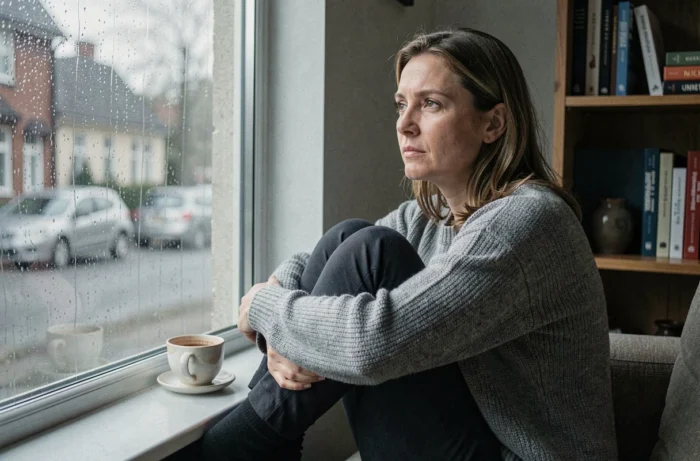
Social withdrawal is rarely measured by the number of cancelled plans. Someone surrounded by others may feel deeply lonely, while someone with very few contacts may not feel isolated at all. This distinction between social isolation and perceived loneliness changes how we identify the problem and respond to it.
The EnCLASS 2024 survey, published by Santé publique France in June 2026 and reported by PSSM France, confirms that feelings of loneliness among adolescents are declining, but have not disappeared. Understanding this gap between visible connections and inner experience can help us spot the early signs of withdrawal before it takes hold.
Perceived loneliness and social isolation: two distinct indicators of social withdrawal
| Criterion | Social isolation | Perceived loneliness |
|---|---|---|
| Definition | Few regular social contacts | A subjective feeling of lacking connection, even when surrounded by others |
| Measurement | Quantitative (frequency of interactions, size of social network) | Qualitative (perceived quality of relationships) |
| Visibility to others | Easier to spot (absences, declining invitations) | Often invisible from the outside |
| Main risk | Gradual loss of social skills | Emotional distress despite having a social network |
This table highlights a point that most articles about social withdrawal overlook: the number of contacts does not predict the distress associated with withdrawal. Someone who sees people every week may experience intense inner withdrawal if those interactions remain superficial.
When you notice someone close to you turning down invitations, the first question to ask is not how often they go out. It is about the quality of the relationships they still have. Experiencing social withdrawal is not simply a matter of having an empty social calendar; above all, it is a loss of the sense of belonging.
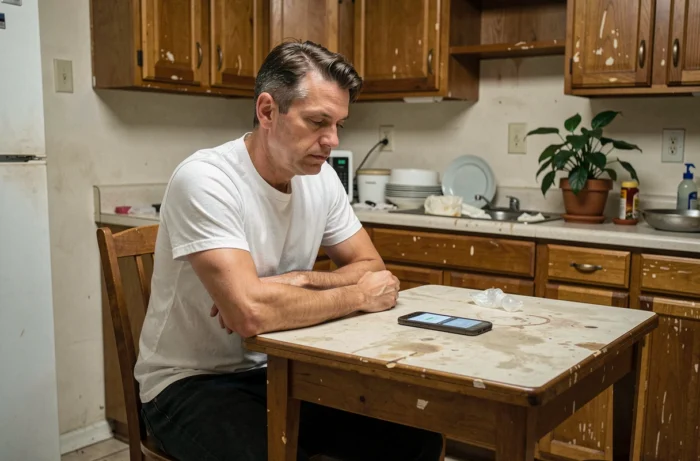
Signs of social withdrawal: everyday changes that appear before others notice
The first signs often go unnoticed because they look like ordinary tiredness or a need for quiet. The difference lies in how long they last and how they build up.
- Replies become delayed, then stop altogether: the person takes longer and longer to respond to messages, then stops replying without any apparent hostility. This is not a one-off oversight, but a gradual withdrawal from informal communication.
- Loss of interest in activities they once enjoyed: a shared hobby (sports, meals with friends, cultural outings) is abandoned without being replaced by something else. The gap remains unfilled.
- Changes to daily routines: altered sleep schedules, skipped meals or consistently eating alone, and fewer trips out, even for simple errands.
- Talk focused on tiredness or lack of motivation: explanations tend to revolve around low energy, rarely around a conflict or a specific event.
On their own, each of these signs is commonplace. It is their accumulation over several weeks that signals ongoing social withdrawal. Those around the person often notice the problem only once it has taken hold, because the early signs do not raise the alarm.
Supporting someone experiencing social withdrawal without turning an invitation into pressure
The most common response to someone who is withdrawing is to suggest going out more often. This comes from a good place, but can sometimes have the opposite effect: every declined invitation becomes another perceived failure for the person and a source of frustration for those around them.
Small suggestions instead of big plans
A short message, a suggestion to do something familiar, or a get-together based on a shared interest can maintain the connection without demanding a high level of sociability. Being too persistent can intensify the need to withdraw rather than ease it.
The difference comes down to how you phrase it. “Shall we do something this weekend? Want to come?” puts the person in front of a yes-or-no choice that can feel like a test. “I’m going to the market on Saturday morning. I’ll message you in case you’d like to join me” leaves the door open without requiring an immediate answer.
Stay in touch without expecting a visible response
Send a message without asking a question (“I thought of you when I saw this”), share something related to a common interest, or make a brief call without a particular agenda: these small gestures ask nothing in return. They show that the connection is still there without making its survival depend on active participation.
The goal is not to get the person to “make an effort”, but to let them know the relationship is there when they feel ready. This approach takes patience and works best when those around them do not keep score of the replies they receive.

When to consult a mental health professional about social withdrawal
Those around the person can offer support, but they cannot replace professional help when withdrawal persists. Several signs suggest that it may be time to seek a consultation:
- The withdrawal has lasted several weeks and is accompanied by a marked loss of interest in everyday life (personal hygiene, eating, work).
- The person expresses distress about their isolation but cannot change their behavior on their own.
- Symptoms of anxiety or persistent sadness accompany the social withdrawal and affect sleep or concentration.
Starting a conversation about the possibility of seeking help does not mean making a diagnosis. It means naming what you have noticed (“I can see you’re going through something difficult”) and suggesting a resource without imposing a timeline.
An initial appointment with a primary care doctor is often enough to get a referral to a psychologist or psychiatrist. Prolonged social withdrawal accompanied by distress warrants professional advice, even if the person downplays the situation.
The difference between a temporary need for quiet and withdrawal that becomes entrenched comes down to two things: duration and associated distress. A chosen, limited period of withdrawal without distress calls for a different response than unwanted isolation that lasts for months. Recognizing this difference is the first useful step, before trying any strategy to encourage more social contact.