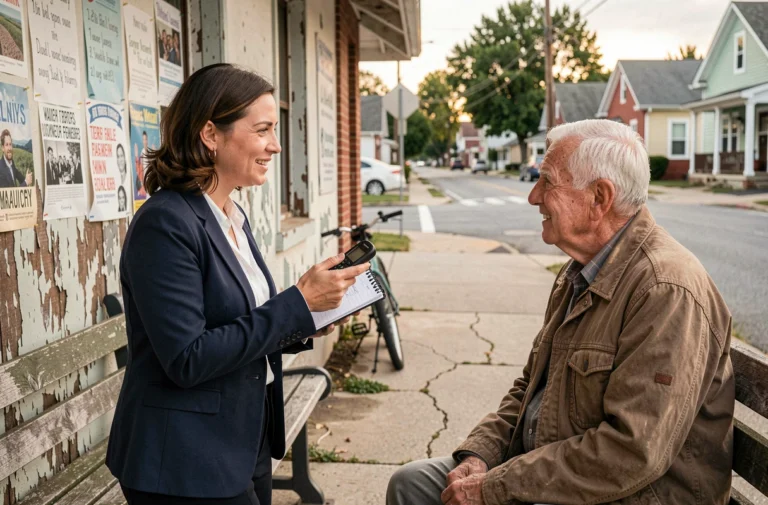
Unusual news refers to a human-interest story, cultural phenomenon or unexpected event that spreads because it is surprising or entertaining. This type of content circulates rapidly on social media, where viral potential often takes precedence over factual accuracy. As AI image-generation tools advance, the line between verified information and staged content is becoming increasingly blurred, making it more important than ever for readers to stay vigilant.
Fact-checking unusual news: separating fact from rumor
When a spectacular or funny post appears in a news feed, its source is rarely checked before it is shared. Unusual and humorous content is often used to spread misleading or AI-generated images. A striking visual can trigger thousands of shares before anyone has established whether the story is true.
An analysis published by HEC Paris shows that community notes (collaborative warnings added to questionable posts) often appear after the initial spread. In the cases examined, about half of all retweets had taken place before any warning was visible. Corrections therefore arrive after the viral wave, when most of the audience has already seen the content.
For readers browsing platforms such as Scoopium, this calls for a simple habit: check where an image comes from before sharing it. A reverse image search or a visit to a fact-checking site takes less than a minute, but can be enough to break the chain of misinformation.

Viral content and political advertising: the European framework since 2025
Unusual news does not just cover human-interest stories. Some content diverts attention toward political messages disguised as entertainment. The European regulation on the transparency of political advertising, which has applied since October 2025, aims to address this blurring of boundaries.
According to Next, Meta and Google stopped offering political ads in Europe after the regulation came into force. TikTok, meanwhile, bans paid political advertising. These decisions are changing how sponsored content blends in with current trends.
The direct implication for readers of offbeat news is that content that looks like entertainment may have been designed to sway opinion. The absence of a “sponsored” label does not guarantee that a message is neutral. Specialist outlets covering unusual news need to make this clear to their audiences.
What this regulation means for online trends
- Platforms must identify and label political advertising, even when it uses a humorous or offbeat tone
- Ad targeting based on sensitive data (political opinions, origin) is more strictly regulated than it was before October 2025
- Content creators who share sponsored messages with a political dimension are subject to the same transparency requirements as traditional advertisers
Content creators and unusual news: the line between information and influence
Creators play an increasingly prominent role in the spread of news. A video creator commenting on an unusual human-interest story can sometimes reach a larger audience than a traditional media outlet. This raises questions about the editorial responsibility of influencers.
Arcom and national regulators are monitoring this trend. Online visual content, from short videos to photo montages, has become a major channel for spreading trends. A creator who shares a news story without checking its source contributes to the spread of misinformation, even unintentionally.
How to spot reliable unusual news
A few indicators can help assess the reliability of a story presented as unusual:
- The primary source is identifiable: a media outlet, institution or eyewitness is cited, not just “social media”
- The image stands up to a reverse image search: it does not appear in an earlier or different context
- The story is dated and located precisely, rather than described vaguely (“recently,” “somewhere in Europe”)
- The author clearly distinguishes reported facts from personal commentary
These criteria cannot guarantee absolute accuracy, but they can filter out most fabricated or distorted content.

Unusual trends in France: what drives the buzz
The topics that capture the attention of the French public follow predictable cycles. Spectacular human-interest stories, absurd records, quirky local initiatives and unexpected cultural phenomena dominate online conversations. Paris accounts for a significant share of viral content, but stories from other regions regularly reach a national audience.
The success of unusual content follows a simple pattern: an initial surprise amplified by social sharing. An ordinary event in its original context becomes remarkable once it is taken out of context and reframed for a national audience. This loss of context is precisely why fact-checking matters.
Outlets specializing in offbeat news have a particular role to play. By making their fact-checking process visible—sourcing images, specifying dates and distinguishing eyewitness accounts from edited content—they can turn entertainment into quality information. A well-sourced unusual story is worth more than an unverifiable viral hit.
The goal is not to take away the pleasure of discovery. Unusual news will remain a source of curiosity and sharing. The difference lies in transparency: readers who understand how virality and misinformation work can engage with this content more critically without losing their sense of wonder.